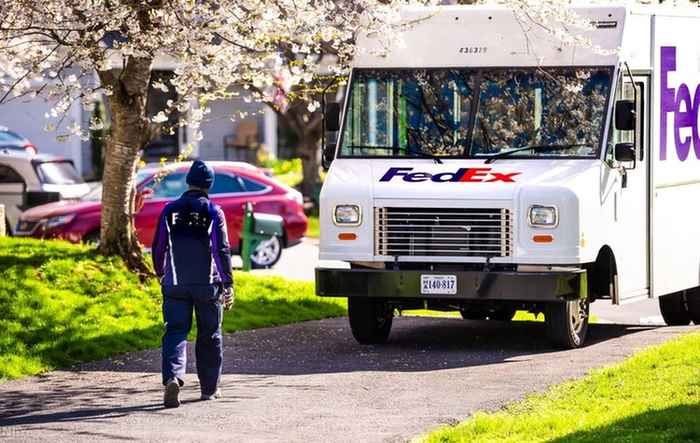
A fedex package handler is a warehouse team member who loads, unloads, sorts, and scans shipments so they move through a FedEx facility safely and on schedule. This guide explains what the job actually looks like day to day, what employers typically require (including common lift limits like up to 70 lbs), and how to decide if the pace, shifts, and physical demands are a good fit.
What a FedEx Package Handler Does (and What the Role Is Not)
FedEx package handlers are the unsung heroes of the shipping industry, responsible for ensuring that packages and parcels make it to their destinations on time and in perfect condition. These hardworking individuals play a critical role in the efficient operation of FedEx’s vast distribution centers, where they work to sort, load, and unload packages quickly and precisely.
At its core, the role is about moving freight through a network: receiving inbound packages, routing them to the correct belt or trailer, and confirming movement with scans. Most shifts are built around “sorts” (busy windows when volume spikes), so the work is intense for a few hours rather than evenly paced all day.
It also helps to be clear about what the role is not. A package handler is usually not a delivery driver, not a customer-facing retail clerk, and not a desk-based logistics coordinator. While package handlers may occasionally communicate about exceptions (damaged labels, missing scans, mis-sorts), the job is primarily hands-on warehouse work with strict safety and productivity expectations.
People sometimes assume the job is “just lifting boxes.” In reality, success often depends on scan accuracy, load quality (building stable walls in trailers), and working safely at speed—especially around conveyors, powered equipment, and heavy rolling stock.
FedEx Package Handler Duties and Responsibilities
FedEx package handlers are responsible for a wide range of tasks that are essential to the smooth operation of FedEx’s distribution centers. Some of the key duties and responsibilities of a FedEx package handler include the following:
- Sorting packages: Package handlers are responsible for sorting packages based on their destination and ensuring that they are sent to the correct location.
- Loading and unloading packages: Package handlers use dollies, hand trucks, and other equipment to load and unload packages from delivery trucks.
- Operating material handling equipment: Package handlers may be responsible for operating equipment such as forklifts and pallet jacks to move packages around the warehouse.
- Scanning packages: Package handlers use barcode scanners to track packages as they move through the warehouse and ensure that they are properly tracked and accounted for.
- Ensuring safety: Package handlers are responsible for following all safety protocols to ensure that the warehouse remains a safe working environment for all employees.
- Working in a team: Package handlers work in teams to ensure that packages are processed quickly and efficiently.
- Physical stamina: package handling involves repeated lifting, carrying, and moving of packages that can weigh up to 70lbs, so the job requires a significant degree of physical fitness and stamina.
- Adapting to the work schedule: package handling work is done in shifts, and often in the evening or overnight. The ability to adapt to different shifts and irregular schedules is important.
- Attention to detail: package handlers are responsible for properly handling packages and making sure they are correctly sorted, packaged, and secured before shipping.
- Meeting the targets: package handlers have a specific target to meet based on the volume of packages that need to be processed. Meeting and exceeding the target is important for their performance.
In practice, those responsibilities show up in a few repeatable scenarios. For example, an inbound trailer may arrive with mixed destinations; the handler unloads, keeps packages moving onto the correct belt, and scans items that require confirmation. On the outbound side, handlers build loads inside trailers—placing heavier items low, preventing gaps, and reducing the chance of shifting during transit.
Another common responsibility is preventing and correcting “exceptions.” A package with a torn label, leaking contents, or an unreadable barcode can slow the entire line. Skilled handlers learn to spot these quickly, set them aside according to procedure, and notify the right lead or area manager so the rest of the flow stays clean.
Typical Tasks by Area: Unload, Sort, Load, and Special Handling
FedEx facilities vary, but most package handler work falls into a few operational zones. Understanding these zones helps applicants visualize the job and helps current handlers explain their experience on a resume. The same person may rotate between areas depending on staffing and volume.
Unload work usually means breaking down inbound trailers or containers and feeding packages onto conveyor lines. The pace can be relentless, and safe body mechanics matter because the motion is repetitive. A strong unload team also focuses on keeping the belt clear of jams and maintaining spacing so scanners and downstream sorters can keep up.
Sort work involves reading labels, watching belt routing, and placing items into the correct chute, cart, or pallet position. This is where attention to detail directly affects service quality; a single mis-sort can create delays or extra handling later. Sorters often develop a rhythm: glance at label, confirm destination code, place, and keep moving.
Load work is about building stable, efficient trailer loads. Good loaders think like builders: heavy-to-light, flat-to-odd-shaped, and “no air” between packages. Load quality reduces damage claims and makes downstream delivery routes more efficient because stops and pallets are easier to break down.
Special handling may include irregular packages, oversized items, items requiring extra care, or shipments that need separation. Even when you are not in a dedicated “special handling” role, you’ll likely be expected to recognize when something should not go down a standard belt (for example, a fragile item with compromised packaging) and follow facility procedures.
FedEx Package Handler Job Requirements
Becoming a FedEx package handler typically does not require any specific education or experience. However, the job does come with certain requirements that must be met to be considered for the role. These include:
- Ability to lift and move heavy packages: Package handlers must be able to lift and move packages that can weigh up to 70 lbs.
- Good physical stamina: Package handling is a physically demanding job that requires the ability to stand, walk, bend, and lift for long periods of time.
- Willingness to work in a fast-paced environment: FedEx distribution centers are busy places, and package handlers must be able to work quickly and efficiently in order to keep up with the pace of work.
- Good attention to detail: Package handlers must pay close attention to detail in order to properly sort and track packages.
- Willingness to work in shifts: FedEx distribution centers operate 24/7, and package handlers must be able to work a variety of shifts, including evenings and overnight shifts.
- Good communication skills: Package handlers work in teams and must be able to communicate effectively with other team members in order to ensure that packages are properly sorted and loaded.
- Ability to work independently and in a team: Package handlers are responsible for working independently and making decisions on their own but are also able to work in a team-oriented environment.
- Ability to meet the targets: Package handlers have specific targets they need to meet based on the volume of packages that need to be processed.
- Ability to follow safety protocols: FedEx package handlers must follow all safety protocols to ensure that the warehouse remains a safe working environment for all employees.
- High school diploma or equivalent: A high school diploma or equivalent is generally required for employment as a FedEx package handler.
It’s worth noting that FedEx may also require a drug test, a background check for certain positions, and a valid government-issued ID to comply with immigration laws.
Beyond the basics, applicants should expect practical screening for reliability and safety. Hiring teams often prioritize attendance, schedule flexibility, and willingness to follow procedures over prior warehouse experience. If you have worked in a fast-paced environment (retail stocking, food service prep, moving jobs), that can translate well when you explain it in terms of pace, teamwork, and safety.
Skills That Make You Stand Out (and How They Show Up on the Floor)
In addition to the job requirements, certain skills can be beneficial for someone looking to become a FedEx package handler. These include:
- Physical dexterity: Package handlers must be able to move quickly and efficiently and have good hand-eye coordination to handle and sort packages correctly.
- Good organizational skills: Package handlers must be able to keep track of packages as they move through the warehouse and ensure that they are properly sorted and accounted for.
- Time management: The job requires managing your time effectively, working efficiently, and meeting targets in a fast-paced work environment.
- Good math skills: Package handlers must be able to perform basic arithmetic to count packages accurately and track inventory.
- Good reading and writing skills: Package handlers must be able to read and write in order to document and report any discrepancies or issues properly.
- Familiarity with technology: Package handlers use technology such as barcode scanners, computers, and other equipment, the ability to adapt to new technologies and troubleshoot minor problems is desirable.
- Excellent communication skills: Package handlers work in teams and must be able to communicate effectively with other team members in order to ensure that packages are properly sorted and loaded.
- Customer service: package handlers should possess strong customer service skills to handle customer complaints or concerns in a professional manner.
- Adaptability: The ability to adapt to different working conditions, schedules, and unexpected situations.
- Continuous learning: package handlers will be able to learn new techniques and processes as the company continuously updates its operations.
Some of the most valuable skills are easy to overlook because they sound “soft,” but they drive performance. Reliability is a major one: being on time, ready to work, and consistent across shifts. If you want to sharpen that skill intentionally, see reliability skills and how to develop them for practical habits that hiring managers notice.
Another differentiator is follow-through: finishing a trailer cleanly, closing out scans, and communicating exceptions instead of leaving problems for the next shift. That’s why many warehouse leads promote the people who consistently complete tasks correctly, not just quickly. A useful framework is in follow through skills and how to develop them.
Finally, safe decision-making under pressure matters. When the belt backs up, the best handlers don’t take shortcuts; they clear jams the right way, keep hands out of pinch points, and ask for help when a package is too heavy or awkward. Those choices prevent injuries and keep productivity steady over the long run.
Pay, Benefits, and What Actually Affects Your Earnings
The salary for a FedEx package handler position can vary depending on factors such as the facility’s location and the employee’s experience. On average, however, FedEx package handlers can expect to earn between $11 and $16 per hour, with the potential for overtime pay.
The pay rate varies depending on the shift worked as well. Overnight shifts may have a different pay rate than day shifts. The hourly rate also may be adjusted based on the cost of living in the specific location.
It’s worth noting that FedEx offers a comprehensive benefits package to eligible employees, which may include health insurance, retirement benefits, paid time off, and other perks. Some positions may be eligible for additional benefits such as employee discounts, transportation discounts and more.
In addition to the base pay, package handlers may also have the opportunity to earn incentives such as bonuses, performance-based raises, or profit-sharing plans.
It’s also worth noting that this information is a general estimate and may not reflect the current pay rate or benefits package offered by FedEx. Additionally, It’s always best to check with FedEx directly for the most accurate and up-to-date information.
Related: FedEx Ground Package Handler Resume Example & Writing Guide
To estimate take-home pay realistically, consider how many hours you’ll actually work per week and how often overtime is available. Many package handler roles are part-time with the option to pick up extra shifts during high-volume periods. If you’re comparing offers, it helps to translate hourly pay into an annual range; tools like how many work hours are in a year? make it easier to do the math consistently.
| Pay/Earnings Factor | How it changes your paycheck | What to ask or confirm |
|---|---|---|
| Shift type (day/twilight/night) | Differentials may increase hourly rate for late/overnight work | Is there a shift premium, and when does it apply? |
| Hours per week | Part-time vs full-time schedules change total income | What is the guaranteed minimum weekly schedule? |
| Overtime availability | Extra hours can significantly raise earnings during peak volume | How often is overtime offered, and is it voluntary? |
| Facility location | Local labor markets and cost of living influence rates | Is pay adjusted for the local market? |
| Tenure and performance raises | Step increases or merit raises can lift base pay over time | How do raises work, and how often are reviews? |
| Benefits eligibility | Health coverage, retirement, and PTO affect total compensation | When do benefits start, and what plans are offered? |
| Cross-training/equipment roles | Some specialized tasks may come with higher pay or more hours | Are there paid certifications (e.g., powered equipment)? |
Work Environment, Schedule Reality, and Physical Demands
FedEx package handlers typically work in a warehouse or distribution center environment. These facilities are large, fast-paced, and often noisy. Bright lights typically illuminate them, and the temperature and air quality may vary depending on the location.
The work environment can be physically demanding, as package handlers are required to stand, walk, bend, and lift for long periods. They may also be required to work in areas that are not temperature-controlled and may be exposed to dust, debris, and extreme temperatures.
The work schedule is fast-paced, and employees are often required to work at a quick pace, usually to meet targets or quotas.
Package handlers may work alone or in a team and be in charge of their own section of the warehouse or work in collaboration with other handlers, depending on the size and organization of the warehouse.
The work is often performed during the evening or overnight hours, and the shifts can change depending on the needs of the warehouse. This can cause some challenges for maintaining a steady sleep schedule and personal life.
Overall, the work environment for FedEx package handlers can be fast-paced and physically demanding and may require employees to be able to work well under pressure.
Physically, the job is less about one-time heavy lifts and more about repetition: lifting, lowering, pushing, pulling, and twisting for hours. The biggest risk factor is usually fatigue, which is why hydration, proper footwear, and pacing matter. Many facilities also emphasize stretch-and-flex routines at the start of the shift; taking those seriously can reduce strains.
Schedule-wise, many facilities run multiple sorts per day. That means start times can be early morning, late afternoon, or overnight depending on the operation. If you’re balancing school or another job, the key is to confirm whether the schedule is fixed or if start times float with volume.
Safety, Productivity Metrics, and Common Mistakes New Handlers Make
Warehouse work is measured, and package handling is no exception. Facilities typically track a mix of throughput (how much volume moves), scan compliance (whether required scans happen at the right time), and quality (damage, mis-sorts, load integrity). The best performers learn to be fast without being sloppy.
Safety is not just a policy—it’s a daily workflow. Expect rules around proper lifting, keeping walkways clear, using three points of contact on equipment, and staying out of restricted conveyor zones. If you’re ever unsure whether a shortcut is allowed, the safest career move is to ask a lead; injuries can end a warehouse career quickly.
Common mistakes that hurt performance and reputation include:
- Rushing scans and creating missed or duplicate scans that cause tracking issues.
- Building unstable loads (too much “air,” heavy items on top, leaning walls) that collapse in transit.
- Ignoring small hazards like loose shrink wrap, broken pallets, or damaged rollers until they become bigger problems.
- Trying to lift everything solo instead of using team lifts or mechanical aids when required.
- Not communicating exceptions (leaks, missing labels, damaged boxes) to the right person immediately.
A practical mindset is: accuracy first, then speed. Most new hires get faster naturally as they learn label patterns, facility layout, and how to position their body to reduce wasted motion. Speed gained through good technique is sustainable; speed gained through shortcuts usually isn’t.
Technology and Trends Shaping Package Handling (Automation, E-Commerce, Sustainability)
In recent years, there have been a few trends in the field of FedEx package handling that have emerged.
One trend is the increased use of automation and technology in distribution centers and warehouses. FedEx has been investing in automation technology, such as robots and automated sorting systems to increase efficiency and speed in their warehouses, allowing package handlers to focus on tasks like handling packages, loading, and unloading.
Another trend is the shift towards e-commerce and the impact on logistics and supply chains. With the growing demand for online shopping, FedEx and other logistics companies are investing in ways to optimize the process of online orders. This is leading companies to adjust the way they handle and sort packages, schedule their staff, and use automation solutions.
Another trend is the focus on sustainability and reducing waste in logistics and supply chain. FedEx is investing in ways to reduce its carbon footprint, and to improve its energy efficiency, and reduce packaging waste.
Finally, there is an emphasis on employee development and career advancement opportunities. FedEx offers various programs to help package handlers gain new skills, advance within the company, and invest in training and development programs.
It’s important to note that these trends may vary depending on the specific location and on the specific needs of the facility and may also change over time depending on business conditions and company strategy.
For job seekers, the evergreen takeaway is that warehouse roles increasingly reward people who are comfortable with systems. Even when robots or automated sorters do part of the routing, humans still handle exceptions, irregulars, trailer loading, and quality control. Being calm with handheld scanners, basic terminals, and operational rules is a real advantage.
Sustainability efforts also change daily work in small but important ways: more emphasis on reducing damages (less waste), better load building, and proper handling of returns and repack items. Handlers who consistently protect package integrity contribute directly to fewer re-shipments and less material waste.
How to Become a FedEx Package Handler (Hiring Steps + Practical Preparation)
Becoming a FedEx package handler typically requires no specific education or experience. The main requirements for the job are typically a willingness to work in a fast-paced and physically demanding environment and the ability to lift and move heavy packages. Many FedEx facilities will provide on-the-job training for the specific tasks and procedures required for the job.
Here are some steps you can take to become a FedEx package handler:
- Research and apply for package handler positions at local FedEx facilities. You can find job listings for package handlers on the FedEx Careers website or on job search websites such as Indeed.
- Submit a resume and cover letter that highlights your availability to work in shifts, your reliability, and any relevant experience, such as experience working in a warehouse, logistics or other jobs that required manual labor.
- Prepare for any interviews and be ready to answer questions about your ability to work in a fast-paced environment, your physical stamina and your ability to lift and move heavy packages.
- Once you are offered a position, complete any necessary onboarding paperwork and attend any training the company provides.
- Be prepared for the physically demanding nature of the job and to work in different shifts. This may require adjusting your sleep schedule and daily routines to ensure you’re well-rested for your shifts.
- Show up on time, be ready to work each shift, and be willing to learn and follow all company policies and procedures.
- Be willing to work as a team. Package handling work is done in teams, so being able to work well with others is important.
It is worth noting that the logistics and supply chain industry is highly competitive, with many applicants for a limited number of positions. To improve your chances of getting a job, you may want to consider gaining experience in a related field, such as working in a warehouse or volunteering in a distribution center.
Practical preparation can make the first weeks much easier. Before your first shift, plan for sleep (especially for overnight schedules), bring a water bottle if allowed, and choose supportive footwear with good traction. Many new hires underestimate how much foot and lower-back fatigue affects performance and safety.
For your resume, focus on proof of pace and dependability: “unloaded inbound shipments,” “met hourly throughput goals,” “used scanners,” “worked safely around conveyors,” and “maintained perfect attendance.” If you’re building your first warehouse resume, the examples in FedEx Ground Package Handler Resume Example & Writing Guide can help you translate hands-on work into strong bullet points.
Advancement Prospects and Career Paths From Package Handler
FedEx package handlers typically start in entry-level positions, and advancement prospects vary. However, there are several ways in which a package handler can increase their chances of advancement within the company:
- Demonstrating a strong work ethic and a positive attitude, being reliable, punctual, and willing to work overtime can help to impress your supervisors and increase your chances of being considered for a promotion.
- Developing a wide range of skills, being versatile, and being willing to help out in different areas of the warehouse can help increase your visibility and make you a valuable asset to the company.
- Showing a willingness to learn new skills and take on new tasks can help you demonstrate your ambition and initiative, which are important qualities for advancement in any field.
- Gaining relevant experience in other logistics and supply chain areas, such as customer service or inventory control, can also increase your chances of advancement.
- Building a professional network within the company, working with other departments, and building relationships with other employees can help you get a better understanding of the company and be in the know of future opportunities.
- Be willing to pursue further education, training, or certifications. This can demonstrate your ambition to improve your skills and make you more valuable to the company.
It’s worth noting that advancement opportunities may also depend on the company structure and overall business strategy. If the company has a smaller size, there may be limited opportunities for advancement within the company, and in such cases, job-hopping to another company with more advancement opportunities may be a better approach.
Common next steps from package handler work include becoming a trainer, lead/crew chief, or moving into specialized areas like quality, yard operations support, or equipment operation (where permitted). The most consistent path is usually: master one area, cross-train into a second, then volunteer for high-responsibility tasks like problem-solving and load audits.
If long-term growth is a priority, track your accomplishments like you would in any professional role. Keep notes on areas you were trained in, safety recognition, attendance streaks, and any measurable outcomes (for example, “reduced mis-sorts by improving label checks” or “maintained scan compliance”). Those details matter when you apply internally or interview elsewhere.
FedEx Package Handler Job Description Example
FedEx package handlers are responsible for sorting, loading, and unloading packages at FedEx distribution centers. They play a critical role in ensuring that packages are delivered to their destinations on time and in perfect condition.
A job description for a FedEx package handler might include the following:
Job Title: Package Handler
Reports to: Warehouse Manager
Job Summary: The package handler is responsible for sorting, loading, and unloading packages within a FedEx distribution center. The position requires the ability to work in a fast-paced, physically demanding environment and to lift and move heavy packages. The package handler will work in a team to ensure that packages are processed quickly and efficiently.
Key Responsibilities:
- Sorting packages according to destination
- Loading and unloading packages from delivery trucks using dollies, hand trucks, and other equipment.
- Operating equipment such as forklifts and pallet jacks to move packages around the warehouse.
- Scanning packages using barcode scanners to track packages and ensure proper inventory management.
- Following all safety protocols to ensure a safe working environment
- Meeting targets and production quotas as set by the company.
- Communicating effectively with team members and management to ensure efficient operation of the warehouse.
- Assist in other areas of the warehouse as needed
Qualifications:
- High school diploma or equivalent required
- Ability to lift and move packages that can weigh up to 70 lbs.
- Willingness to work in a fast-paced environment
- Good attention to detail
- Willingness to work in shifts, including evenings and overnight shifts
- Good communication skills
- Must pass a background check and drug test
Physical Demands:
- Ability to stand
When tailoring your application, mirror the language used in the posting while staying truthful. If the description emphasizes “scan compliance” or “meeting production goals,” include a bullet that shows you’ve worked to a measurable standard. If it emphasizes safety, mention specific habits (proper lifting, keeping aisles clear, reporting damaged packages) rather than generic claims like “safety-focused.”
If you’re moving from another hands-on role (stocking, moving, manufacturing), translate your experience into warehouse equivalents: “paced work,” “shift work,” “team coordination,” and “quality checks.” Hiring managers typically care less about the industry and more about whether you can handle the physical pace and follow process consistently.
Similar Jobs
- FedEx Ground Package Handler
- UPS Package Handler
- USPS Mail Processing Clerk
- UPS Sorter
- FedEx Material Handler
When comparing roles across carriers, focus on the operational reality: shift length, start times, physical requirements, and how performance is measured. Job titles can be similar while the day-to-day experience differs based on facility size, automation level, and whether the site handles mostly small parcels, heavier irregulars, or mixed freight.
FAQ: FedEx Package Handler (People Also Ask)
What does a FedEx package handler do?
A FedEx package handler loads and unloads trailers, sorts packages by destination, and scans shipments so they are tracked correctly as they move through a FedEx warehouse or distribution center. The job is fast-paced, physical, and focused on safety, accuracy, and meeting production targets.
Is a FedEx package handler the same as a FedEx driver?
No, a FedEx package handler typically works inside a warehouse moving and sorting packages, while a FedEx driver delivers and picks up packages on a route. Package handlers usually do not operate delivery vehicles as part of their core job.
How hard is the FedEx package handler job?
The FedEx package handler job is physically demanding because it involves repeated lifting, carrying, and moving packages for several hours at a fast pace. Most people find it manageable when they use safe lifting technique, wear supportive footwear, and adjust to the shift schedule.
How much weight do FedEx package handlers lift?
Many FedEx package handler postings require the ability to lift packages up to about 70 pounds, along with frequent lighter lifts and awkward items. Facilities often expect team lifts or mechanical assistance for items that are oversized or unsafe to lift alone.
Do FedEx package handlers work nights?
FedEx package handlers often work evening, overnight, or early-morning shifts because distribution centers run around the clock. Exact schedules depend on the facility and volume, so start times and shift lengths should be confirmed during hiring.
What skills help you succeed as a package handler?
The skills that most consistently help package handlers succeed are reliability, safe lifting technique, attention to detail, and comfort using scanners and basic warehouse technology. Team communication and follow-through also matter because mis-sorts, missed scans, and unstable loads create extra work later.
Can you move up from package handler at FedEx?
Yes, many people use package handler work as an entry point and move into trainer, lead, specialized operations, or other logistics roles. Advancement usually comes from strong attendance, consistent safety, cross-training in multiple areas, and a record of accurate, high-quality work.
Conclusion: Is Package Handling a Good Fit?
A FedEx package handler role can be a strong option for people who prefer active work, can handle a fast pace, and want an entry point into logistics without needing a specialized degree. The job rewards consistency: showing up, working safely, scanning accurately, and supporting the team when volume spikes.
The best way to decide is to be honest about the realities—shift times, repetitive lifting, and production expectations. If those align with your lifestyle and strengths, package handling can provide steady income, transferable warehouse skills, and a clear path to more responsibility over time.