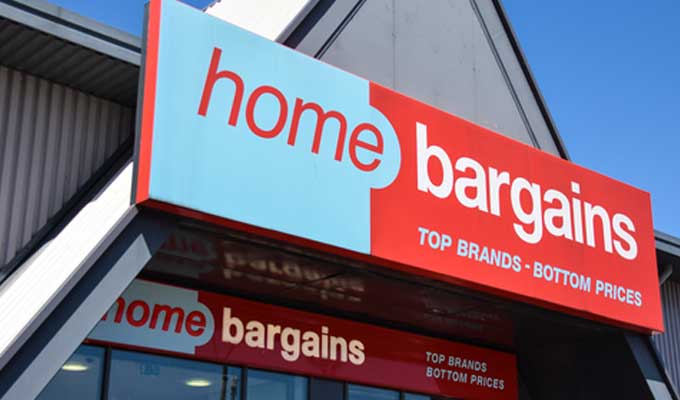
Preparing for home bargains interview questions is mostly about proving you can work fast, stay accurate, and keep customers happy in a busy discount retail environment. A common mistake is giving vague “I’m a hard worker” answers instead of showing measurable examples (speed, accuracy, availability, teamwork). This guide explains what Home Bargains is, what interviewers typically ask, and how to answer with confidence using ready-to-use examples.
Definition: Home Bargains interview questions are the set of common retail hiring questions used to assess customer service, pace, reliability, cash and stock accuracy, and teamwork for roles in Home Bargains stores and warehouses.
What is Home Bargains (and what it isn’t)?
Home Bargains is a prominent discount retail chain in the United Kingdom known for providing a wide variety of products at exceptionally affordable prices. The company specializes in offering discount homeware, household goods, groceries, health and beauty products, and seasonal items.
Home Bargains’ business model is centered around providing value-conscious consumers with access to quality products without the premium price tag. They maintain a rapidly changing inventory of branded and non-branded items, making it a go-to destination for budget-conscious shoppers seeking everyday essentials and special deals. Home Bargains’ commitment to affordability and savings has contributed to its popularity and growth within the retail industry.
What Home Bargains is not: it’s not a boutique retail environment where customers expect long consultations, and it’s not a slow-paced store where “tidying up when you get time” works. Most roles involve high footfall, frequent replenishment, and quick problem-solving at the till and on the shop floor.
This matters in interviews because the strongest candidates show they can balance speed with standards: serving quickly, keeping shelves full, following policies, and still being friendly and calm.
How Home Bargains interviews typically work (and what they’re really testing)
Home Bargains interviews are usually straightforward and practical. For entry-level roles (sales assistant, cashier, warehouse operative), the focus is less on “perfect” corporate answers and more on whether you can do the basics consistently: show up, work at pace, and treat customers well.
Expect a mix of general questions (why this job, tell me about yourself) and scenario questions (difficult customer, returns without receipt, suspected theft). Some locations also include availability checks, short role-plays, or questions about lifting, standing, and working early/late shifts.
Interviewers are commonly assessing:
- Reliability: attendance, punctuality, willingness to cover shifts, and consistency.
- Customer handling: calm communication, empathy, and getting to a solution.
- Accuracy: cash handling, stock rotation, pricing, and following process.
- Pace: ability to juggle tasks during busy periods without getting flustered.
- Integrity: honesty, policy compliance, and doing the right thing when no one is watching.
If you want to strengthen your examples for tills and money handling, see cash handling skills. If you struggle with staying consistent under pressure, reliability skills can help you frame stronger interview stories.
Role-specific expectations: tailor your answers to the job
“Home Bargains interview” can mean different roles, and your answers should match the day-to-day reality of the position. Even if the questions are similar, the interviewer will listen for clues that you understand what the role involves.
For store roles (sales assistant, cashier), emphasize customer service, speed at the till, replenishment, facing up, and keeping aisles safe. For warehouse roles (operatives, pickers), emphasize accuracy, following instructions, safe manual handling, and maintaining pace.
Use the table below to quickly align your examples with what matters most:
| Role | What they prioritize | Examples that land well | Pitfalls to avoid |
|---|---|---|---|
| Sales Assistant (shop floor) | Replenishment, tidiness, customer help | Facing up aisles, quick product location, tidy standards | Only talking about “being friendly” with no proof |
| Cashier / Till Operator | Speed + accuracy, policy, queue management | Balanced till, calm during rush, correct refunds | Joking about being “bad at maths” |
| Supervisor / Team Leader | Coaching, standards, problem-solving | Shift handovers, coaching new starters, prioritising | Sounding controlling or blaming staff |
| Warehouse Operative | Pick accuracy, safety, pace | Scanning, error reduction, safe lifting habits | Ignoring safety or saying “I just get on with it” |
| Delivery / Back-of-house | Stock control, rotation, teamwork | FIFO rotation, checking damages, quick put-away | Not mentioning shrink/damage reporting |
| Seasonal / Temp | Availability, learning fast, flexibility | Quick training uptake, extra shifts, fast adaptation | Being vague about availability |
Even if you’re applying for an entry-level job, showing you understand these priorities makes your answers feel “insider” rather than generic.
Home Bargains interview questions and answers (with stronger, retail-ready examples)
Below are common Home Bargains interview questions, why they’re asked, and example answers you can adapt. The best approach is to keep answers specific, use a quick situation-action-result structure, and include one measurable detail when possible (time, percentage, frequency, accuracy).
1. Tell me about yourself.
Interviewers ask this question to gain insight into your professional background and personal attributes that are relevant to the role. It’s an opportunity for you to provide a concise overview of your qualifications and experiences, setting the stage for the rest of the interview.
Example answer:
“I’m a customer-focused retail worker with experience on tills, replenishment, and keeping standards high during busy periods. In my last role I regularly worked peak hours, helped reduce queue times by jumping on the till when needed, and kept my cashing-up accurate. I’m also reliable with shifts and I like working as part of a team where everyone helps each other to keep the store running smoothly.”
2. Why are you interested in this position?
Interviewers ask this question to understand your specific motivations and how well they align with the responsibilities and expectations of the Home Bargains position. It allows them to assess whether you have a genuine interest in the role and the company, which can indicate your potential commitment and enthusiasm as an employee.
Example answer:
“I’m interested because the role is hands-on and fast-paced, and that’s where I do my best work. Home Bargains is known for value and high footfall, so good service and speed matter every day. I like roles where I can help customers quickly, keep shelves full, and contribute to a tidy, well-run store.”
3. Walk me through your resume.
Interviewers ask this question to gain a comprehensive understanding of your professional background, achievements, and how your past experiences relate to the requirements of the Home Bargains position. It allows them to assess your qualifications, skills, and the relevance of your past roles in determining your fit for the current role.
Example answer:
“I started in a part-time retail role where I learned customer service and basic stock work. I then moved into a busier store where I gained till experience, handled returns, and supported deliveries and replenishment. Most recently I’ve been trusted with closing tasks like facing up, final checks for spillages, and keeping the back area organised, which helped the team start the next day smoothly.”
4. What do you know about our company?
Interviewers ask this question to gauge your level of interest in Home Bargains and assess whether you’ve done your homework by researching the company. It also helps them evaluate how well you understand the company’s values, mission, and how your skills align with their needs.
Example answer:
“Home Bargains is a UK discount retailer focused on offering well-known brands and everyday essentials at low prices. Stores carry a wide mix of categories like household, groceries, health and beauty, and seasonal ranges, and stock can change regularly. Because it’s a value retailer with busy stores, I understand the job is about pace, availability on shelves, and friendly service even under pressure.”
5. What is your greatest strength?
Interviewers ask this question to assess your self-awareness and understand how your strengths align with the requirements of the Home Bargains position. It helps them determine if your key qualities are a good fit for the role and if you can contribute effectively to the team and company’s goals.
Example answer:
“My biggest strength is staying accurate while working quickly. On the shop floor that means I can replenish and face up at pace without putting items in the wrong place, and on tills it means I stay focused so I don’t make change errors. I also communicate well with teammates so we can respond fast when queues build or a delivery arrives.”
6. What is your greatest weakness? What are you doing to improve it?
Interviewers ask this question to assess your self-awareness and your ability to recognize areas for improvement. They are interested in understanding how you proactively address your weaknesses and whether you have a growth mindset, which is essential for personal and professional development within the Home Bargains team.
Example answer:
“I used to try to do too much myself when it got busy, which isn’t always efficient. I’ve improved by communicating earlier—calling for support when queues build and splitting tasks clearly during deliveries. That’s helped me work faster and reduced mistakes because the team stays coordinated.”
7. What is your greatest accomplishment?
Interviewers ask this question to gain insights into your past achievements and how they relate to the skills and qualities you can bring to the Home Bargains team. It allows them to assess your ability to set and achieve goals, your level of ambition, and how you might contribute to the company’s success.
Example answer:
“In my last store, our customer feedback mentioned messy aisles and out-of-stocks on key lines. I suggested a simple routine: a quick ‘top sellers’ refill check at set times and a five-minute face-up before peak hours. Within a few weeks, the aisle looked better during rush periods and we had fewer ‘do you have any more of this?’ conversations because we were staying on top of replenishment.”
8. Can you tell me about your previous experience in a retail environment?
Interviewers ask this question to assess your familiarity with the industry, your specific roles and responsibilities, and how your background aligns with the requirements of the position. They want to gauge your ability to adapt to their retail environment and contribute effectively to their team based on your prior retail experience.
Example answer:
“I’ve worked in a busy retail environment where I rotated between tills, replenishment, and keeping standards on the shop floor. I handled customer questions, supported returns, and helped with deliveries by checking stock, reporting damages, and getting items out quickly. I’m comfortable multitasking and staying calm when it’s busy.”
Related: Lidl Interview Questions & Answers
9. How would you handle a difficult customer who is unhappy with their purchase?
Interviewers pose this question to evaluate your ability to handle challenging customer situations effectively and professionally, a crucial skill in the retail environment at Home Bargains. Your response demonstrates your capacity to diffuse tension, find solutions, and maintain a positive customer experience even when faced with dissatisfaction.
Example answer:
“I’d listen without interrupting, acknowledge the issue, and stay calm. Then I’d clarify what outcome they want—refund, exchange, or advice—and check the return policy so I’m consistent and fair. If it’s something I can’t authorise, I’d bring in a supervisor quickly rather than making the customer repeat themselves. My aim is to solve it efficiently while keeping the interaction respectful.”
10. What do you know about Home Bargains and its products?
Interviewers pose this question to assess your level of research and preparation for the interview, as well as your familiarity with Home Bargains’ products and services. Your response helps them gauge your genuine interest in the company and your potential to effectively communicate its offerings to customers in a retail setting.
Example answer:
“Home Bargains sells a wide range of everyday essentials and seasonal lines, including household, homeware, groceries, health and beauty, and toys. The range includes both branded and non-branded products, and stock can change frequently, so product knowledge and good shelf standards matter. In-store promotions and value messaging are important because customers come in expecting a deal and a quick shop.”
11. Describe your approach to maintaining a clean and organized store.
Interviewers ask this question to understand how you prioritize cleanliness and organization, which are crucial in a retail environment like Home Bargains. Your response helps them assess your attention to detail, work ethic, and ability to create a positive shopping experience for customers.
Example answer:
“I keep it simple and consistent: deal with safety issues immediately, then maintain standards little and often. That means picking up packaging, correcting misplaced items, and facing up sections whenever I pass them rather than leaving it all for the end. I also keep the back area tidy so replenishment is quicker and deliveries don’t become a bottleneck.”
12. How do you stay updated on current product promotions and discounts?
Interviewers ask this question to gauge your commitment to staying informed about promotions and discounts, which is essential for assisting customers and driving sales. Your response provides insight into your proactive approach to product knowledge and your ability to effectively communicate promotions to customers.
Example answer:
“I check the in-store signage, any team briefings, and the daily priorities at the start of my shift. If I’m unsure, I ask a supervisor early so I don’t give customers the wrong information. I also pay attention to what customers ask for most, because those questions often highlight which promotions we need to communicate clearly.”
13. Can you explain the importance of upselling and cross-selling in a retail setting?
Interviewers pose this question to assess your understanding of sales techniques and their significance in a retail environment. Your response allows them to evaluate your ability to maximize revenue, enhance the customer experience, and contribute to the store’s overall success.
Example answer:
“Upselling and cross-selling matter when they’re helpful, not pushy. Cross-selling helps customers complete what they came in for—for example, if someone buys cleaning spray, suggesting cloths or sponges saves them another trip. It also improves basket value and helps stock move, which is important in retail where margins are tight.”
Related: Aldi Interview Questions & Answers
14. How would you handle a situation where a customer asks for assistance in finding a specific product?
Interviewers ask this question to assess your customer service and problem-solving skills in a retail context. Your response helps them gauge your ability to assist customers effectively and provide a positive shopping experience.
Example answer:
“I’d ask a quick clarifying question—brand, size, or what they use it for—then take them to the correct aisle rather than just pointing. If it’s out of stock, I’d offer the closest alternative and explain why it’s similar. If needed, I’d check with a colleague or supervisor so the customer gets a clear answer quickly.”
Related: Customer Service Interview Questions & Answers
15. What would you do if you noticed a coworker mishandling merchandise or violating store policies?
Interviewers ask this question to evaluate your sense of responsibility and ability to maintain store standards and policies. Your response helps them gauge your willingness to address workplace issues professionally and collaboratively.
Example answer:
“If it looked like an honest mistake, I’d address it discreetly and help them do it the correct way, because that protects stock and keeps standards consistent. If it was serious, repeated, or involved safety or dishonesty, I’d report it to a supervisor rather than trying to handle it myself. I’d keep it factual and avoid gossip.”
16. How do you prioritize tasks when there are multiple responsibilities to juggle?
Interviewers ask this question to assess your ability to manage time and workload effectively in a fast-paced retail environment. Your response helps them understand your organizational skills, decision-making process, and capacity to ensure that all responsibilities are addressed efficiently.
Example answer:
“I prioritise by impact and urgency: customer needs and safety first, then tasks that prevent bigger issues later, like key replenishment and spills. If a queue builds, I switch to tills because that affects everyone’s experience. I also communicate—if I can’t complete a task on time, I tell the supervisor early so we can reassign it.”
17. Can you describe a time when you successfully contributed to improving store sales or efficiency?
Interviewers ask this question to assess your ability to positively impact performance in terms of sales and efficiency. Your response provides evidence of your past contributions and demonstrates your potential to drive growth and optimize operations.
Example answer:
“In a previous store, we had regular congestion near one aisle and it slowed replenishment and annoyed customers. I suggested moving a popular, bulky item to a wider section and keeping a smaller ‘top-up’ quantity near the original location. It improved flow and reduced the time we spent navigating cages through crowded areas.”
Related: Behavioral Job Interview Questions + Answers
18. How do you handle inventory management and restocking shelves?
Interviewers ask this question to assess your ability to effectively manage inventory and maintain well-stocked shelves. Your response provides insights into your organizational skills, attention to detail, and commitment to ensuring a positive shopping experience.
Example answer:
“I do regular checks on fast movers, rotate stock using FIFO, and keep shelf labels and locations accurate so customers can find items quickly. When restocking, I keep aisles safe and tidy, and I report damages or discrepancies rather than hiding them. I also try to replenish at quieter times where possible, but I can switch priorities if the store gets busy.”
19. What strategies do you use to prevent theft or shoplifting in a retail store?
Interviewers ask this question to evaluate your knowledge and proactive approach to minimizing theft and shoplifting incidents. Your response helps them assess your ability to contribute to store security and protect the company’s assets while maintaining a welcoming environment.
Example answer:
“I focus on visible presence and customer engagement—greeting customers, offering help, and staying active on the floor. I keep high-risk areas tidy and visible and follow store procedures for security tags and reporting concerns. If I suspect theft, I don’t confront; I follow policy and alert a supervisor immediately.”
20. How would you handle a situation where a customer wants to return a product but doesn’t have a receipt?
Interviewers ask this question to assess your problem-solving skills and customer service abilities when faced with a common retail scenario. Your response helps them gauge your capacity to uphold return policy while ensuring customer satisfaction and adherence to store protocols.
Example answer:
“I’d stay polite and explain the policy clearly, then ask questions to see if we can verify the purchase—approximate date, payment method, and the exact product. If we can’t verify it, I’d offer the options allowed by policy, such as exchange or store credit if applicable, and I’d involve a supervisor for anything outside my authority. The goal is to be fair, consistent, and helpful.”
High-impact preparation that most candidates skip
Many applicants prepare answers but don’t prepare evidence. In discount retail, evidence is what makes you credible: examples of speed, accuracy, and reliability. Before your interview, write down 4–6 short stories you can reuse across questions.
A strong set of stories usually includes: handling a complaint, working a busy rush, fixing a mistake, improving a process, learning something quickly, and supporting a teammate. Each story should fit in 30–60 seconds and end with a clear result.
Use this quick checklist to upgrade your examples:
- Add numbers: “served 30 customers per hour,” “reduced errors,” “covered 2 extra shifts per month.”
- Name the constraint: short-staffed, long queues, late delivery, system issue.
- Show the behaviour: calm tone, policy knowledge, prioritising, teamwork.
- End with the outcome: customer satisfied, queue cleared, stock available, issue documented.
If you find it hard to turn experiences into strong examples, practicing with structured thinking helps; see critical thinking interview questions & answers for frameworks you can apply to retail scenarios.
Common mistakes in Home Bargains interviews (and how to avoid them)
Small interview mistakes matter more in retail because they signal how you’ll behave on shift. The goal is not to sound “perfect”—it’s to sound trustworthy, practical, and ready.
One frequent issue is being unclear about availability. If you can’t work weekends or evenings, say it early and accurately. Another is over-promising (“I can do any shift”) and then backtracking later, which can be a red flag for reliability.
Other avoidable mistakes include:
- Criticising past employers instead of describing what you learned.
- Ignoring policy in scenario answers (returns, refunds, theft).
- Over-focusing on sales and forgetting standards, safety, and accuracy.
- Giving long stories without a clear result.
- Sounding passive: “I would probably ask someone else” without showing initiative.
A better approach is to show you can follow process, escalate appropriately, and still care about the customer experience.
Questions to ask at the end of a Home Bargains interview
Good questions show you’re serious and help you avoid accepting a role that doesn’t fit your needs. Keep your questions practical and role-focused rather than asking about benefits before you’ve shown value.
Choose 2–4 questions from this list depending on the role:
- “What does a typical shift look like for this position?”
- “What are the busiest times, and how does the team handle peak periods?”
- “How is training structured for tills, stock, and returns?”
- “What does success look like in the first month?”
- “How are rotas planned, and how far in advance are shifts posted?”
- “What opportunities are there to learn other areas of the store?”
These questions also give you information you can use if you get a second interview or a job offer, because you’ll understand expectations and performance standards.
FAQ: Home Bargains interview questions
What questions are asked in a Home Bargains interview?
Home Bargains interviews commonly include questions about customer service, reliability, availability, teamwork, handling busy periods, cash accuracy, stock replenishment, and scenario questions like returns without a receipt or dealing with unhappy customers.
How long is a Home Bargains interview?
A Home Bargains interview is typically short and practical, often lasting around 15–30 minutes, depending on the role and whether there are scenario questions or a brief role-play.
What should I wear to a Home Bargains interview?
Wear clean, smart-casual clothing that looks tidy and professional, such as a plain top with trousers or a simple dress and comfortable shoes. Avoid overly casual items like ripped jeans, dirty trainers, or clothing with large slogans.
How do I answer “Why do you want to work at Home Bargains?”
A strong answer links your strengths to the reality of discount retail: fast pace, high standards, and customer service. Mention that you enjoy practical work like replenishment and tills, and that you value delivering quick, friendly service in a busy store.
Do I need retail experience to get hired at Home Bargains?
Retail experience helps, but it is not always required for entry-level roles. Employers often hire based on reliability, willingness to learn, availability, and evidence of transferable skills such as customer service, teamwork, and working accurately under pressure.
How should I answer scenario questions like difficult customers or returns?
Use a calm, policy-based approach: listen, empathise, clarify the issue, explain what you can do under store policy, and escalate to a supervisor when needed. Interviewers look for professionalism, consistency, and a solution-focused attitude.
What availability do Home Bargains employers usually want?
Home Bargains roles often involve early starts, evenings, weekends, and peak seasonal periods, so wider availability can improve your chances. The best approach is to be honest and specific about which days and times you can reliably work.
Final tips to stand out (without sounding rehearsed)
To stand out in a Home Bargains interview, aim to sound like someone the team can trust on a busy shift. Keep your answers direct, show you understand the pace of discount retail, and share short examples that prove you can stay accurate and calm.
Before you go in, prepare three things: your availability written down, two customer service stories, and one example showing speed and accuracy (till, stock, or deliveries). That combination covers most questions and helps you respond confidently even when the wording changes.
If you want an extra edge, practice saying your examples out loud once or twice. The goal isn’t to memorise a script—it’s to make your answers clear, concise, and easy for an interviewer to picture you doing the job well.