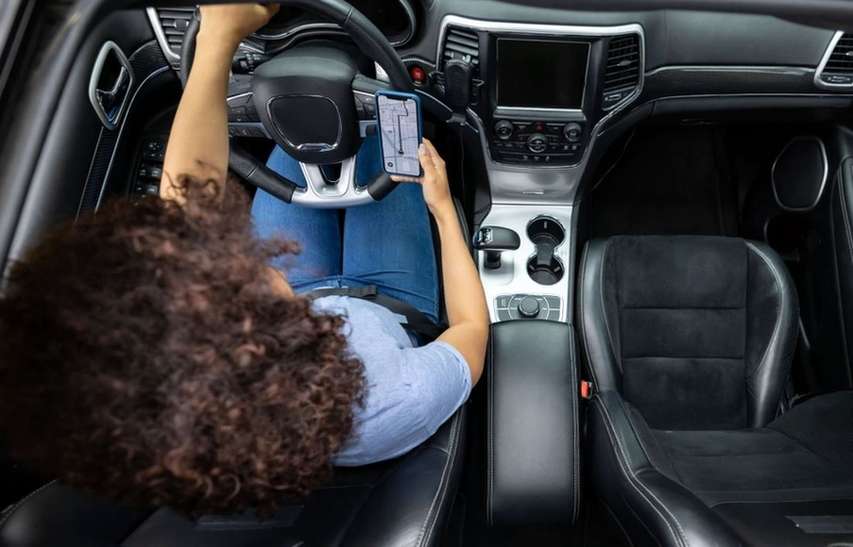
A lyft driver is an independent contractor who uses the Lyft app to accept ride requests and transport passengers safely to their destinations in a personal, qualifying vehicle. This guide explains what the job really involves day to day, what you need to qualify, how pay typically works, and how to avoid common mistakes (like underestimating expenses such as fuel, tires, and extra insurance).
Lyft driving can be a flexible way to earn income, but it is not “easy money” unless you treat it like a small business: track costs, drive strategically, and protect your time and safety.
What a Lyft Driver Does (and What the Job Is Not)
At its core, a Lyft driver picks up riders who request trips through the Lyft app, follows navigation to the pickup and drop-off points, and provides a safe, respectful ride. Drivers also manage the practical details that riders rarely see: keeping the vehicle clean, planning where to drive, and handling issues like incorrect pickup pins or last-minute route changes.
Equally important is understanding what the role is not. A Lyft driver is typically not an employee with guaranteed hourly wages, paid time off, or employer-paid benefits. Drivers generally are not dispatched by a human manager; the app offers ride requests, and the driver chooses whether to accept based on location, time, and personal rules.
Lyft driving is also not a one-size-fits-all job. The experience varies widely by city, local regulations, traffic patterns, airport rules, and rider demand. Two drivers can work the same number of hours and earn very different net income depending on how they manage expenses and when and where they drive.
Lyft Driver Duties and Responsibilities
The duties and responsibilities of a Lyft driver include the following:
- Providing safe and reliable transportation to passengers who request a ride through the Lyft app
- Engaging with passengers in a friendly and professional manner
- Navigating to the requested destination using the app’s map and turn-by-turn directions
- Assisting passengers with loading and unloading luggage, if necessary
- Accepting payments and maintaining accurate records of trips and earnings
- Keeping the vehicle clean and well-maintained
- Complying with all local laws and regulations related to transportation services
It is important for Lyft drivers to be reliable, punctual, and safety-conscious in order to provide a high-quality experience for passengers and maintain a good rating on the platform. Drivers should also be able to handle unexpected situations or challenges that may arise during a ride, such as traffic delays or uncooperative passengers.
In practice, many drivers add a few “unwritten” responsibilities to protect their business and reduce risk. Examples include confirming rider identity when pickup locations are crowded, setting clear boundaries around stops and passenger behavior, and keeping a simple system for tracking mileage, tolls, and cleaning costs.
Lyft Driver Job Requirements (Eligibility, Vehicle, and Documentation)
To become a Lyft driver, you must meet the following requirements:
- Be at least 21 years old
- Have a valid driver’s license and current automobile insurance
- Own a smartphone and have a clear understanding of how to use the Lyft app
- Have a qualifying car that meets Lyft’s vehicle requirements (which may vary depending on the city where you plan to drive)
- Pass a criminal background check and driving record check
- Pass a physical examination and drug test (if required by your city)
Because requirements can vary by location and can change over time, it’s smart to treat the list above as the baseline and confirm the current rules in your region before buying a car or changing insurance. The most common “surprise” for new drivers is that a vehicle can be in great condition but still not qualify due to age limits, title status, inspection rules, or local regulations.
Document readiness matters. Having clear photos/scans of your driver’s license, registration, and insurance card (and being able to upload them quickly) reduces downtime. Many drivers also keep a folder in the car with printed copies in case an inspection site, airport staging area, or law enforcement requests documentation.
Core Lyft Driver Skills (What Actually Improves Ratings and Tips)
The required job skills for a Lyft driver position include the following:
- Strong communication skills: You will need to communicate effectively with passengers, including providing directions and engaging in conversation as needed.
- Professionalism: You should be able to present yourself in a friendly and professional manner and be able to handle unexpected situations or challenges that may arise during a ride.
- Navigation skills: You should be able to use the Lyft app to navigate to the requested destination and be able to follow turn-by-turn directions.
- Problem-solving skills: You should be able to troubleshoot any issues during a ride, such as traffic delays or incorrect destinations.
- Reliability: It is essential for Lyft drivers to be punctual and reliable in order to provide a high-quality experience for passengers.
- Safety-consciousness: You should prioritize the safety of your passengers and follow all traffic laws and regulations.
- Basic car maintenance skills: You should be able to perform basic maintenance tasks on your vehicle, such as checking the oil and tire pressure.
- Flexibility: As a Lyft driver, you can set your own schedule and choose when you work. However, you may need to be flexible in order to meet the demands of the job.
Beyond the basics, the highest-impact skill is situational awareness. That means noticing whether a pickup spot is unsafe, whether a rider is struggling to find you, or whether a route change is likely to cause conflict. A calm, confident driver who communicates early (“Traffic is heavy ahead; the app suggests an alternate route—does that work for you?”) prevents most low-rating situations.
Another underrated skill is service without over-serving. Riders tend to rate well when the car is clean, the temperature is comfortable, and the ride feels smooth and predictable. You don’t need to provide snacks or extra amenities to be “excellent,” and in some cases those extras create mess, cost, or liability without improving earnings.
Pay, Earnings, and Expenses: How Lyft Driver Income Really Works
The salary for a Lyft driver can vary widely depending on several factors, including the number of hours worked, the number of rides completed, and the location. According to data from Glassdoor, the average hourly pay for a Lyft driver is $16.77. However, it is important to note that Lyft drivers are considered independent contractors rather than employees. They are responsible for paying their own taxes and expenses, such as gas and car maintenance.
Instead of focusing only on hourly pay, many experienced drivers evaluate net earnings: what’s left after fuel, maintenance, depreciation, insurance differences, taxes, and unpaid time (like repositioning to a busier area). Two drivers can have the same “app earnings” but very different net income depending on vehicle efficiency and driving strategy.
Typical pay outcomes depend on a mix of variables: local demand, time of day, trip length, traffic, and incentives that may be offered in some markets. A practical approach is to set a personal target such as “minimum net per hour” and “minimum net per mile,” then decline trips that consistently fall below that threshold.
Common costs to plan for
Lyft driving shifts many business costs onto the driver. Planning for these expenses helps avoid the common trap of “good weeks” followed by a surprise repair bill.
| Cost category | What it includes | Why it matters |
|---|---|---|
| Fuel or charging | Gas, charging fees, time spent refueling/charging | Often the largest variable cost; affects which trips are profitable |
| Maintenance | Oil changes, brakes, tires, filters, wipers | Ride-share driving accelerates wear; skipping maintenance increases risk |
| Repairs | Suspension, transmission issues, unexpected breakdowns | Downtime can cost more than the repair itself |
| Cleaning | Car wash, interior wipes, vacuum, odor removal | Cleanliness strongly influences ratings and complaints |
| Insurance gap | Ride-share endorsement or commercial add-ons (varies by insurer) | Protects against coverage gaps when the app is on |
| Taxes | Self-employment taxes, income taxes, quarterly estimates | Drivers are typically responsible for setting money aside |
| Depreciation | Vehicle value loss from high mileage | Hidden cost that affects true net earnings over time |
If you want a quick reality check, estimate your cost per mile (fuel + maintenance + depreciation) and multiply by your planned weekly mileage. Comparing that number to your weekly app earnings gives a clearer picture of sustainability than any single hourly figure.
Work Environment: Schedule, Demand Patterns, and Day-to-Day Realities
The work environment for a Lyft driver is unique in that drivers have the freedom to set their own schedules and work as much or as little as they want. Drivers also have the option to choose their own driving region and can switch between regions at any time. However, it is important to note that the demand for rides may vary depending on the location and time of day, so drivers may have to be flexible in order to maximize their earning potential.
As for the physical work environment, Lyft drivers work in their own vehicles, meaning they will spend a significant amount of time on the road. Drivers should be comfortable driving for long periods and be prepared for the potential for traffic delays and other challenges. Drivers should also be prepared to interact with a wide variety of passengers and should be able to handle any unexpected situations that may arise during a ride.
Daily reality often includes “in-between” time that isn’t paid: waiting at busy venues, repositioning after a drop-off, or driving to a better area. Drivers who thrive usually treat this as part of the job and build routines to reduce friction, such as keeping a preferred staging area, learning venue pickup rules, and choosing times when demand is predictable.
It also helps to plan for fatigue. Driving for long periods requires focus, patience, and emotional regulation. A simple system—scheduled breaks, hydration, stretching, and a hard stop time—can be the difference between a safe, profitable shift and a stressful one.
Passenger Experience and Professional Standards (Safety, Boundaries, and Service)
A strong passenger experience starts with consistency: showing up where the rider expects, confirming the correct passenger, and driving smoothly. Small behaviors reduce confusion and complaints, such as pulling into a safe pickup spot instead of stopping in a traffic lane, or sending a short message when the pickup point is hard to access.
Professionalism is also about boundaries. Drivers commonly face requests for off-app changes, extra stops, more passengers than seatbelts, or behavior that makes the driver uncomfortable. A clear, calm script helps: “I can take one stop in the app,” or “I can’t drive with more passengers than seatbelts—safety policy.” Consistency protects your rating and lowers the chance of disputes.
Safety is a two-way practice. Drivers should prioritize seatbelts, avoid distractions, and follow local laws. They should also trust their instincts: if a pickup feels unsafe, it’s reasonable to cancel and move on. A single risky ride can cost far more than it pays.
Practical service checklist
- Before pickup: car interior tidy, phone mount secure, navigation audible but not loud
- At pickup: confirm rider name, verify destination if the rider seems unsure
- During ride: smooth driving, minimal sudden braking, adjust temperature if requested
- At drop-off: stop in a safe location, remind riders to check the seat for belongings
How to Become a Lyft Driver (Step-by-Step)
To become a Lyft driver, you must meet the following requirements:
- Be at least 21 years old
- Have a valid driver’s license and current automobile insurance
- Own a smartphone and have a clear understanding of how to use the Lyft app
- Have a qualifying car that meets Lyft’s vehicle requirements (which may vary depending on the city where you plan to drive)
- Pass a criminal background check and driving record check
- Pass a physical examination and drug test (if required by your city)
To begin becoming a Lyft driver, you can visit the Lyft website and click on the “Drive with Lyft” button. This will take you to a page where you can enter your location and see if Lyft accepts applications in your area. If it is, you can start the application process by filling out an online form and providing some basic information about yourself.
You may also be required to submit some additional documents, such as proof of insurance and a driver’s license, in order to complete the application process. Once you have completed the application process and been approved, you can start driving with Lyft.
After approval, the most important “first week” step is setting up your operating system: a mileage tracking method, a plan for taxes, and a maintenance schedule. New drivers often focus on maximizing rides immediately, but building these habits early is what keeps the work profitable and reduces stress later.
Strategies for Success: Earning More Without Burning Out
Success as a Lyft driver usually comes from decisions made between rides: where you position yourself, what trips you accept, and how you control costs. Many drivers improve results by driving during predictable high-demand windows (commutes, events, weekend evenings) and avoiding long deadhead drives to low-demand areas.
Another proven lever is reducing “unpaid time.” For example, if you find yourself waiting 15–20 minutes between rides, experiment with relocating to a nearby hotspot, changing your hours, or setting a personal rule to avoid pickups that are far away unless the trip value justifies it.
Cost control matters as much as earnings. A fuel-efficient vehicle, consistent tire pressure, and preventive maintenance can raise net income without driving more hours. Some drivers also keep a simple “car kit” (trash bags, microfiber cloth, basic cleaner, and a small handheld vacuum) to avoid losing time between rides.
Common mistakes that reduce net income
- Chasing gross earnings: focusing on app totals while ignoring fuel, repairs, and depreciation
- Accepting every request: taking unprofitable long pickups or low-value short trips repeatedly
- Driving while exhausted: fatigue increases accident risk and lowers service quality
- Not tracking mileage: losing legitimate deductions and underestimating true costs
- Skipping boundaries: allowing unsafe passenger counts, off-app detours, or behavior that creates risk
Advancement Prospects and Career Options Beyond Driving
The advancement prospects for a Lyft driver are somewhat limited, as Lyft drivers are considered independent contractors rather than employees. This means that there is no traditional career ladder or path for advancement within the company. However, there are some ways that Lyft drivers can increase their earning potential and improve their prospects:
- Increase your rating: One of the key factors that affect a driver’s earning potential is their rating on the platform. By providing a high-quality experience for passengers, drivers can increase their ratings and attract more riders.
- Expand your driving region: Lyft drivers can choose their own driving region, and some regions may have higher ride demand than others. By expanding your driving region, you may be able to increase your earning potential.
- Work during peak hours: Demand for rides tends to be higher during peak hours, such as weekday mornings and late nights on weekends. By working during these times, you may be able to increase your earnings.
- Offering additional services: Some Lyft drivers have found success by offering additional services to passengers, such as providing snacks or charging a premium for luxury rides.
It is worth noting that trends may influence the advancement prospects for Lyft drivers in the ride-hailing industry, such as increased competition, regulation changes, and technological advancements.
Many drivers also use Lyft as a stepping stone rather than a long-term destination. The role builds transferable skills—customer service, time management, navigation, and conflict de-escalation—that can support moves into delivery, transportation, logistics, hospitality, or other driving roles.
Related: Personal Driver Cover Letter Examples & Writing Guide
For readers exploring adjacent career paths, these resources can help compare expectations and day-to-day work: Bus Driver & Passenger Vehicle Driver, Truck Driver, and Delivery Driver.
Lyft Driver Trends and Changes That Can Affect the Role
Potential trends that may impact Lyft drivers in the future include:
- Increased competition: The ride-hailing industry is becoming increasingly competitive, with new players entering the market and existing companies expanding their offerings. This could lead to increased competition for riders among Lyft drivers.
- Changes in regulation: Governments around the world are starting to regulate ride-hailing companies more heavily, which could affect the business model and working conditions for Lyft drivers.
- Advancements in technology: Lyft is investing heavily in self-driving technology, which could potentially reduce the need for human drivers in the future. However, it is worth noting that it is likely to be many years before self-driving technology is widely adopted, and it is not clear what the implications will be for Lyft drivers.
- Changes in consumer preferences: The ride-hailing industry is being influenced by changing consumer preferences, such as a shift towards sustainability and a greater focus on safety. Lyft drivers may need to adapt to these changing preferences in order to remain competitive.
The most practical way to stay resilient is to focus on what you can control: excellent service, strong safety habits, and disciplined financial tracking. If regulations change in your area, drivers who already keep good records and maintain compliant vehicles usually adapt faster with less downtime.
Technology changes can also alter rider expectations. For example, riders may increasingly expect accurate ETAs, clean vehicles, and clear pickup communication. Drivers who treat the work like a professional service—rather than casual driving—tend to maintain higher ratings even as the market shifts.
Lyft Driver Job Description Example
Here is an example job description for a Lyft driver position:
Title: Lyft Driver
Job Type: Independent Contractor
Job Description:
We are seeking reliable and professional drivers to join our team as independent contractors. As a Lyft driver, you will be responsible for providing safe and reliable transportation to passengers who request a ride through the Lyft app. You will be expected to engage with passengers in a friendly and professional manner, navigate to the requested destination using the app’s map and turn-by-turn directions, and assist with luggage if needed.
To qualify for this position, you must be at least 21 years old, have a valid driver’s license and current automobile insurance, and own a smartphone with a clear understanding of how to use the Lyft app. You must also have a qualifying car that meets Lyft’s vehicle requirements. You will be required to pass a criminal background check and driving record check, as well as a physical examination and drug test (if required by your city).
As a Lyft driver, you have the opportunity to set your own schedule and work as much or as little as you want. You will be paid for each ride you complete, and you will have the option to choose your own driving region.
We are looking for drivers who are reliable, punctual, and safety-conscious and who have strong communication skills and a friendly and professional demeanor. If you are interested in this opportunity, please apply now.
Similar Jobs
FAQ: Lyft Driver Questions (People Also Ask)
What does a Lyft driver do?
A Lyft driver uses the Lyft app to accept ride requests, pick up passengers, and drive them safely to their destinations while following local traffic laws and platform policies.
Is a Lyft driver an employee or an independent contractor?
In most cases, a Lyft driver is classified as an independent contractor, which means the driver typically pays their own expenses and taxes and does not receive traditional employee benefits.
What are the requirements to become a Lyft driver?
Requirements commonly include being at least 21 years old, having a valid driver’s license and insurance, owning a smartphone, having a qualifying vehicle, and passing background and driving record checks; some locations may add inspection, medical, or other requirements.
How much do Lyft drivers make?
Lyft driver earnings vary by market, hours worked, trip types, and incentives, and the most accurate measure is net income after expenses like fuel, maintenance, insurance, taxes, and vehicle depreciation.
Do Lyft drivers get paid hourly?
Lyft drivers are generally paid per trip rather than receiving a guaranteed hourly wage, so earnings depend on ride volume, time spent waiting, and the profitability of the trips accepted.
What expenses should a Lyft driver track?
A Lyft driver should track mileage, fuel or charging costs, maintenance and repairs, cleaning, tolls and parking, and any insurance upgrades, because these costs determine true net earnings and support accurate tax filing.
How can a Lyft driver improve ratings?
A Lyft driver can improve ratings by being punctual, confirming the correct rider, keeping the car clean, driving smoothly, communicating clearly about route changes or delays, and maintaining firm safety boundaries.
Can you drive for Lyft part-time?
Yes, many people drive for Lyft part-time because the platform typically allows drivers to choose their own hours, though earnings and ride availability depend on local demand and the times you drive.